Buying a home in Fayetteville can feel exciting right up until the inspection report hits your inbox. If you are a first-time buyer, relocating on a tight timeline, or trying to use your due diligence period wisely, that report can also feel overwhelming fast. The good news is that most inspection findings are manageable once you understand what is normal, what needs follow-up, and what matters most for your decision. Let’s dive in.
What a Fayetteville home inspection includes
In North Carolina, a licensed home inspector must provide a written contract and inspect readily visible and readily accessible systems and components. That means the inspection is designed to give you a professional snapshot of the home’s condition, not tear into walls or diagnose every hidden issue. Under North Carolina home inspection standards, the inspector also has to explain what was not inspected and why.
You should also expect a written report soon after the inspection. Unless the parties agree otherwise, the report is due within three business days after the inspection under the same state standards of practice. For pre-purchase inspections covering three or more systems, the report must include a summary page, but that summary is not the whole story.
Why full reports matter
Many buyers flip straight to the summary page, but that can create confusion. North Carolina requires the summary to point you back to the complete report and to encourage you to consult an agent or attorney about negotiability. In other words, the summary highlights key concerns, but the full report provides the context you need to make smart decisions.
That context matters because not every item carries the same weight. One issue may be routine maintenance, while another may suggest a deeper need for a licensed specialist. Reading the full report helps you separate cosmetic items from meaningful repair or follow-up concerns.
Why Fayetteville inspections often find age-related issues
Fayetteville has a large share of older homes, which shapes what buyers often see during inspections. According to the city’s 2040 Comprehensive Plan, about 46% of housing units were built before 1980. Roughly 75% were built since 1970.
For you as a buyer, that means age-related findings are common enough that they should not be a surprise. Older electrical components, aging plumbing materials, roof wear, and moisture-management issues are all realistic possibilities in this market. An inspection report in Fayetteville is often less about finding a perfect house and more about understanding the condition of the home you are considering.
Common Fayetteville inspection findings
Older electrical and plumbing components
State guidance notes that some homes in North Carolina may still have older materials or components that often trigger follow-up. Examples include single-strand aluminum wiring, Federal Pacific or Zinsco electrical panels, and polybutylene plumbing installed in many homes from 1978 into the mid-1990s, according to North Carolina statutes and rules for inspectors.
If one of these shows up in your report, it does not automatically mean the deal is over. It usually means you need better information about the condition, repair options, or replacement costs. Your next step may be getting a licensed electrician or plumber involved during due diligence.
Crawlspace moisture concerns
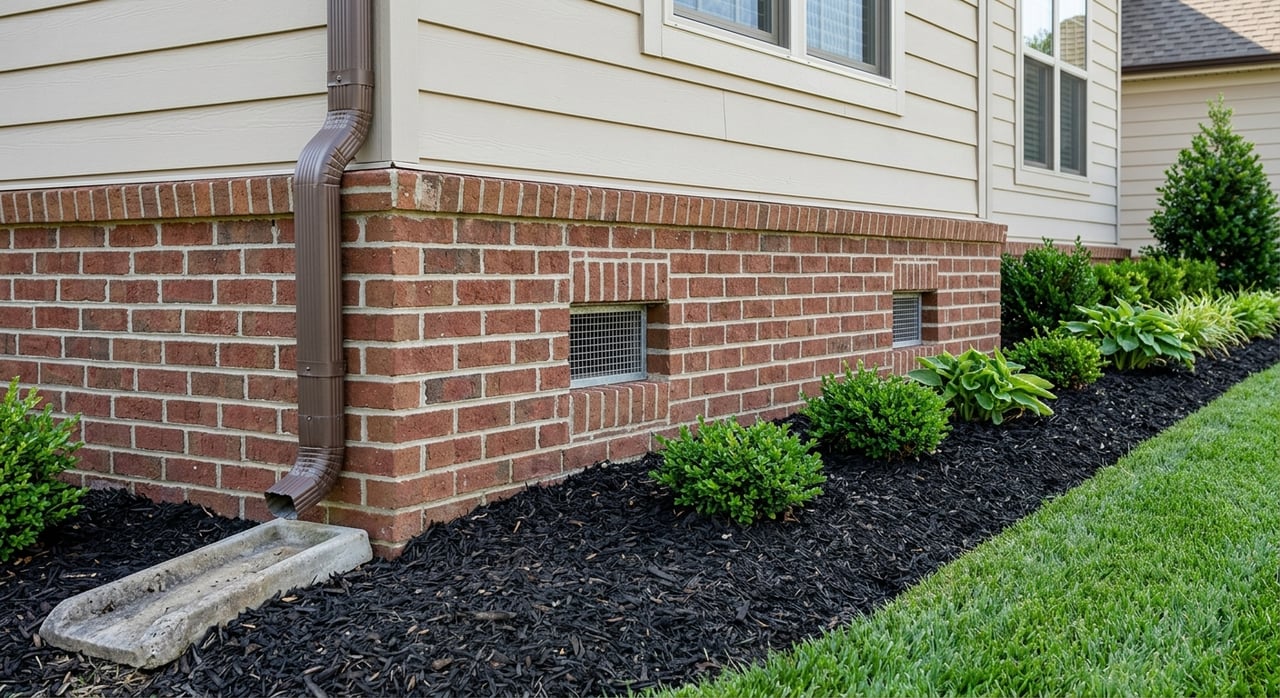
Moisture is a big inspection theme in Fayetteville. The area’s warm summers and steady precipitation, combined with crawlspace conditions common in this climate, can create an environment where moisture problems show up more often. The NOAA/NWS Fayetteville climate normals and EPA moisture guidance help explain why drainage, ventilation, and crawlspace conditions deserve careful attention.
In plain English, a house can look fine from the front curb and still have moisture concerns underneath. An inspector may note damp conditions, missing or damaged vapor barriers, staining, or signs that water is not draining away from the home well. These items are important because moisture can affect wood components, indoor air conditions, and long-term maintenance costs.
Termite-related red flags
If the report mentions moisture in the crawlspace, you should also pay attention to possible pest concerns. NC State Extension guidance notes that wet crawlspaces can create conditions conducive to termites, and state sources say eastern subterranean termites occur in all North Carolina counties. Standing water or leaking pipes in a crawlspace can help keep termites close to the structure.
That does not mean every damp crawlspace has termite damage. It does mean you should take the finding seriously and consider separate pest or termite evaluation if needed. In North Carolina, termite inspections are generally handled under separate regulatory authority rather than as part of the general home inspection.
Mold or hidden moisture questions
Buyers often assume a home inspector can confirm whether a stain is mold or whether hidden moisture exists behind every surface. That is not how a standard inspection works. Under North Carolina inspection rules, mold-related health concerns are outside the scope of a general inspection, and concealed moisture behind cladding cannot be fully evaluated visually.
If mold or hidden moisture is mentioned, treat it as a signal for follow-up. A general inspection can raise the flag, but it may not provide the final answer. That is why specialist referrals are so important during due diligence.
What an inspector cannot inspect
A home inspection is helpful, but it has limits. Because it is non-invasive, the inspector is not opening walls, moving heavy contents, or seeing through concealed layers. According to North Carolina standards of practice, hidden areas and some systems may require specialist evaluation.
This is one of the biggest mindset shifts for buyers. The report is not a warranty, and it is not a prediction of every future repair. It is a professional visual assessment of accessible conditions on the day of the inspection.
How to use the due diligence period wisely
In North Carolina, your due diligence period is the main window to investigate the property, bring in specialists, and decide how you want to move forward. The NC Real Estate Commission explains that this process commonly includes home, pest, and septic inspections, plus items like appraisal, survey, title work, and loan qualification or application.
The timing here matters a lot. The same NCREC guidance explains that buyers may terminate for any reason or no reason during the due diligence period. If you do not address concerns before that period ends, you may lose the right to terminate later over issues that should have been investigated during that window.
For buyers on a PCS timeline or anyone trying to keep a move on schedule, this is where planning matters. The sooner you review the report and line up any needed specialists, the more options you usually have.
A simple way to sort inspection issues
Most buyers can make the report easier to handle by sorting findings into three buckets:
- Safety or structural concerns
- Items needing specialist review
- Acceptable as-is or routine maintenance items
This approach helps you stay focused on decision-making instead of getting lost in pages of notes. It also lines up with how buyers commonly respond during due diligence, whether that means asking for repairs, negotiating a credit or price adjustment, or terminating before the deadline.
What buyers often do next
Once the inspection is complete, your response usually falls into one of these paths:
- Request repairs for major issues that affect safety, structure, or function.
- Ask for a credit or price adjustment if repairs are needed but you prefer flexibility after closing.
- Bring in specialists for items the general inspection could not fully evaluate.
- Accept the home as-is if the findings fit your budget and comfort level.
- Terminate during due diligence if the overall risk or repair cost is too high.
The right path depends on the specific property, the contract timeline, and your goals. A newer home may still have inspection findings, while an older home may be a great fit if you go in with a clear understanding of condition and costs.
How to stay calm during inspection week
Inspection week can feel intense, especially if you are buying from out of town or balancing military deadlines. Try to remember that most homes, especially in markets with older housing stock, will have a list of findings. A report full of comments is normal.
What matters most is understanding which items are minor, which need expert review, and which could change your decision. When you take the report step by step, the process becomes much easier to manage.
If you are buying in Fayetteville and want help navigating inspections, due diligence timing, and next-step decisions, Stacey Prevette offers hands-on guidance built for local buyers, first-time buyers, and military relocations.
FAQs
What does a Fayetteville home inspection usually cover?
- A North Carolina home inspection covers readily visible and accessible systems and components, with a written report that explains findings and notes anything not inspected.
Can a Fayetteville home inspector find every problem?
- No. A general home inspection is non-invasive, so hidden conditions and some specialized issues may require separate experts.
Are crawlspace moisture issues common in Fayetteville homes?
- Yes. Fayetteville’s warm, humid climate and crawlspace conditions can make moisture, drainage, and ventilation concerns important inspection points.
Should buyers in Fayetteville worry about older electrical or plumbing materials?
- Buyers should be prepared for the possibility, especially in older homes, because materials like aluminum wiring or polybutylene plumbing can appear in North Carolina housing stock.
Can a home inspection confirm mold in a Fayetteville house?
- No. A general home inspection may flag possible moisture or mold concerns, but mold-related health questions and hidden moisture often require follow-up specialists.
When should a buyer act on a Fayetteville inspection report?
- Buyers should act during the North Carolina due diligence period, which is the main time to investigate findings, negotiate, or decide whether to proceed.