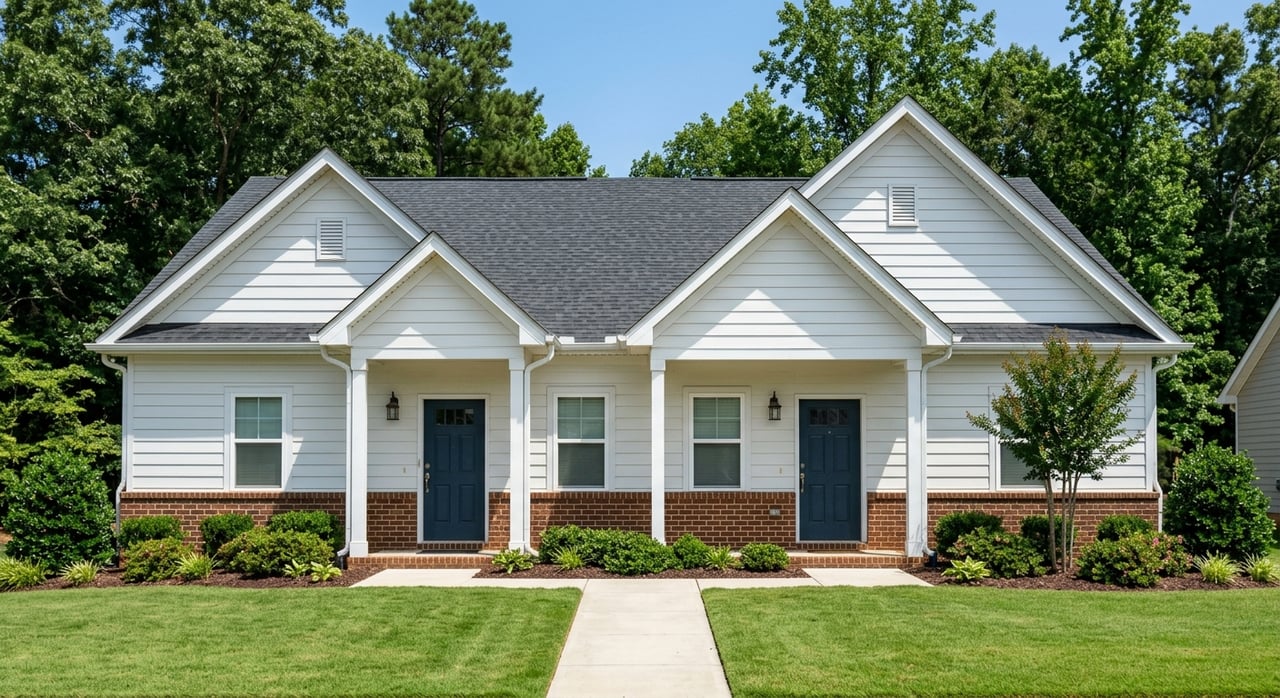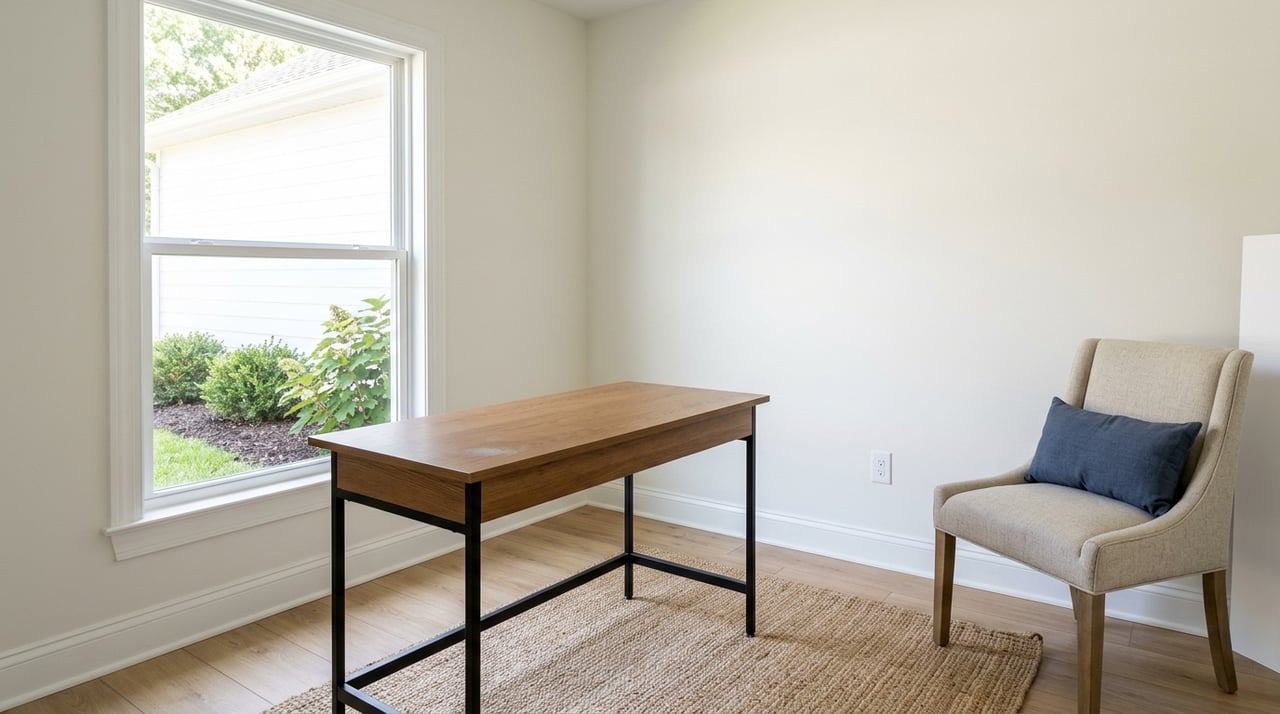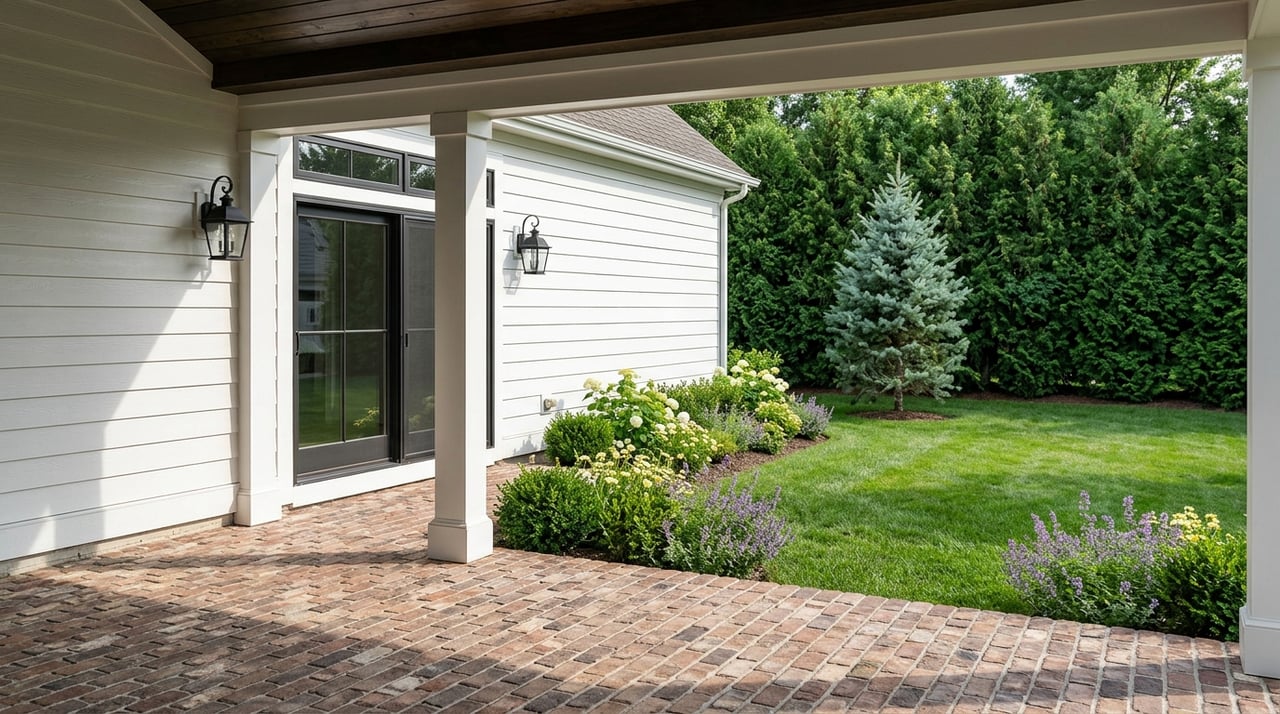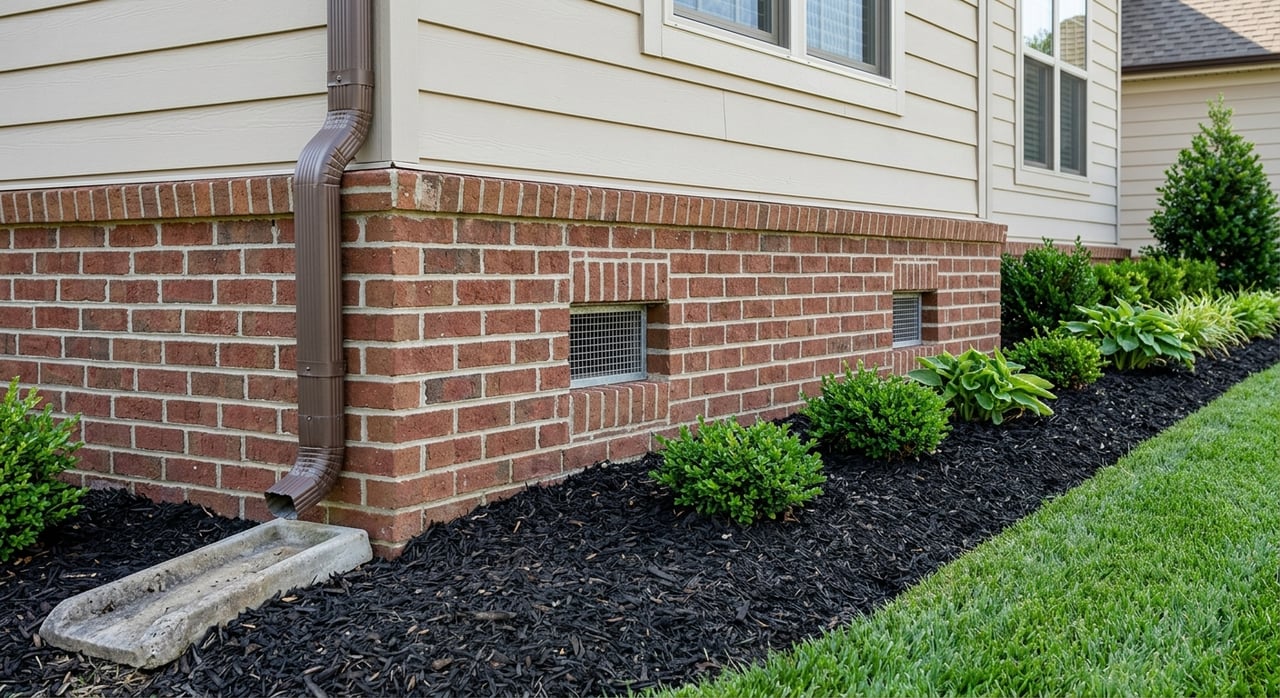
PCS orders in hand and a Fayetteville home to sell? You are juggling a fixed report date, movers, and a real estate timeline that does not always bend. You want a clean sale, the right price, and a smooth handoff that lines up with your move. In this guide, you will learn how to plan your sale around PCS logistics, what to expect from the Fayetteville market, and how North Carolina contracts and closings work so you can move on time with less stress. Let’s dive in.
Fayetteville market at a glance
As of February 2026, Cumberland County’s median sale price sits around $253,000, and median days on market are about 57 days. That means your buyer may show up in a few weeks or it could take a couple of months, depending on price, condition, and location. Plan for a typical 30 to 45 day window from contract to closing for financed offers. These local patterns suggest you should start early and build buffer days into your move plan. You can explore current county-level trends in the Redfin Cumberland County market snapshot.
How PCS timelines shape your sale
Your entitlements and move logistics affect when you can vacate and how you structure your contract.
- Temporary lodging: Some service members receive Temporary Lodging Expense for CONUS PCS moves, which can offset hotel and meal costs during transition. Confirm your eligibility and timing with your pay and transportation offices using the DFAS TLE overview.
- Household goods: Once you have orders, the Defense Personal Property System schedules pack and pickup. Build in buffer days so you do not pack, close, and hand over keys on the same day. See PCS timing tips in the DPS and TMO guidance.
- On-post support: Use the installation’s relocation office for briefings, lodging options, and local move counseling. The Army Community Service Relocation Readiness Program provides contacts and resources you can review in the local relocation materials.
Price and prep for speed
You can improve your odds of a fast, predictable sale with focused prep.
- Triage repairs: Fix safety and major system issues first, like roof leaks, HVAC failures, or obvious electrical hazards. These items can stall appraisals and buyer financing.
- Keep upgrades simple: Favor low-cost, high-impact work such as neutral paint and basic curb appeal. Save bigger projects for the next owner unless they boost your net.
- Consider a pre-listing inspection: This can surface deal-stoppers early and help you set the right price. Share repair receipts and warranties to build trust.
- Stage for showings: Create a quick tidy plan, keep a safe box for valuables, and set a showing checklist. High-quality photos and a virtual tour can pre-qualify buyers and cut down on unproductive visits while you live in the home.
North Carolina contracts you should know
North Carolina commonly uses the Offer to Purchase and Contract (Standard Form 2‑T). Two items matter a lot for a PCS seller.
- Due Diligence Fee and Period: Buyers and sellers negotiate a Due Diligence Fee and a Due Diligence Period. The fee, if agreed, is paid to you at contract formation and is usually nonrefundable. The buyer’s Earnest Money deposit is separate and typically held in escrow. You can review the structure in the Form 2‑T.
- Required disclosures: State law requires a Residential Property Disclosure Statement and related forms. If these are late, the buyer may get a short cancellation window. Provide accurate disclosures promptly and update them if anything changes before closing. See the statute’s timing rules in Chapter 47E, Section 47E‑5.
Work with your agent and closing attorney to align timelines, funds delivery, and effective dates so everyone is clear on the clock.
PCS-friendly offer terms that help you
You can solve most timing conflicts at the offer stage.
- Possession and rent-back: If you need to stay after closing, negotiate a short post-closing occupancy. Put terms in writing, including daily rent, security deposit, utilities, insurance, and responsibility for damage.
- Closing date certainty: Ask for a firm closing date and a shorter due diligence period if speed is essential. Higher Due Diligence Fees can reduce the risk of a late termination.
- VA loan awareness: Many Fayetteville buyers use VA financing. VA appraisals check market value and minimum property requirements and can add days to underwriting or require repairs. Understand what that means for timing using the VA home loan process overview.
Closing in North Carolina
Closings in North Carolina are attorney-driven. A licensed closing attorney typically handles the title search, payoff coordination, excise tax collection, and settlement. The State Bar outlines why these services are the practice of law in its closing guidance.
Most financed purchases in North Carolina close about 30 to 45 days after contract acceptance. Cash deals can be faster, but still need title work and scheduling. The closing calendar is often driven by underwriting, appraisal timing, and any required repairs. Plan conservatively and build buffer days. For a step-by-step on the closing flow, see this North Carolina closing timeline overview.
At closing, you can expect prorated property taxes, attorney fees, and standard seller costs. North Carolina also collects a state excise tax on real estate recordings. Ask your agent for a net proceeds estimate early so you understand your bottom line.
Active-duty protections under the Servicemembers Civil Relief Act can affect contract enforcement and certain civil actions. If SCRA could apply to your situation, flag it to your closing attorney or legal assistance office. You can review the text of the law through the Department of Justice’s SCRA resource.
A practical PCS seller timeline
Your orders set the pace. Use these planning windows to match your sale to your report date.
If you have 90+ days
- Day 0, when orders drop: Meet your relocation counselor and register your move in DPS. Book a listing consultation and request a market analysis. See PCS basics in the CONUS PCS overview.
- Weeks 1 to 2: Do a targeted pre-listing inspection, schedule photography and staging, and gather documents, like HOA info and mortgage payoff statements.
- Weeks 3 to 6: List the home, start showings, and evaluate offers. If you will need time in the home after closing, negotiate a written rent-back at the offer stage.
If you have 30 to 60 days
- Hire a responsive agent who can market fast and vet offers. Consider buyers who are cash-ready if speed is critical.
- Ask for a shorter due diligence period and confirm earnest money and Due Diligence Fee delivery deadlines.
- Negotiate a firm closing date and, if needed, a post-closing occupancy with clear terms.
If you have less than 30 days
- Expect tradeoffs. Speed often costs you on price or repairs.
- Consider an as-is sale, a cash buyer, or renting out short term if that fits your situation.
- Coordinate TMO and HHG dates so pack, pickup, and closing do not collide.
Quick-start checklist
- Confirm move dates, TLE/TLA eligibility, and DPS scheduling with your transportation and pay offices. Use the CONUS PCS guide and DFAS TLE page.
- Meet your listing agent within 48 to 72 hours of receiving orders to map pricing, marketing, and timeline.
- Complete targeted pre-listing repairs that can derail appraisals and financing.
- Prepare required disclosures and HOA docs now so you can deliver them right away with an offer. See NC disclosure timing.
- Decide if you will offer post-closing occupancy, and outline key terms in advance.
- Schedule movers, but avoid pack, pickup, or delivery on your closing day. Leave several buffer days.
- Select your closing attorney and verify wiring instructions by phone using a known office number.
Showing while you pack
Showings are easier when you set rules and routines.
- Keep a go-bag system so you can clear counters fast and take pets off-site.
- Use neutral scents and bright lighting. Open blinds and turn on lights before each showing.
- Limit fragile or sensitive items in public view. Store personally sensitive documents off-site.
- Ask your agent about a virtual tour to help pre-qualify buyers and reduce foot traffic during busy pack weeks.
Common pitfalls to avoid
- Waiting to list until movers are locked in. Start both tracks as soon as orders are official.
- Scheduling HHG pack, pickup, or delivery on the same day as closing. Leave buffer days.
- Delivering disclosures late, which can create a short cancellation right for the buyer.
- Underestimating VA appraisal timing or repair requests that could add days to closing.
- Skipping written terms for a rent-back. Always document occupancy, rent, and responsibility.
Ready to move with confidence
You can sell on your PCS schedule with the right plan, local market insight, and a contract that protects your time. If you want a clear timeline, strong marketing, and help coordinating with your TMO and closing attorney, connect with Stacey Prevette to map your sale from first showing to final handoff.
FAQs
What is the best time to list before a PCS move in Fayetteville?
- Aim to list as soon as orders are official, then plan for several weeks to find a buyer and about 30 to 45 days to close for financed offers.
How does North Carolina’s Due Diligence Fee affect my sale timeline?
- The fee is paid to you at contract formation and is usually nonrefundable, and pairing it with a shorter due diligence period can reduce late terminations.
Can I stay in my home after closing if my HHG pickup is delayed?
- Yes, you can negotiate a written post-closing occupancy that sets rent, deposit, utilities, insurance, and responsibility for damage.
How do VA appraisals impact my Fayetteville sale?
- VA appraisals confirm value and minimum property standards, which can add days to underwriting or require repairs, so build buffer time into your plan.
Who handles closings for home sellers in North Carolina?
- A licensed closing attorney typically manages title work, payoffs, excise tax collection, and settlement, and coordinates the final timeline.
What should I avoid scheduling on my closing day during a PCS?
- Avoid HHG pack, pickup, or delivery on closing day, and leave several buffer days because carrier dates and closing times can shift.